Archive article, written 2009–2016. Not yet reviewed by a veterinarian. About our articles
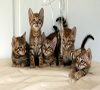
| Encyclopedia on Clues to Detecting pet's Painful Secrets | |
| To protect themselves from predators, pet's naturally hide their pain. Your pet might be suffering even though he isn’t showing obvious signs. |
|
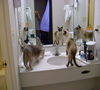
| Encyclopedia on Destructive Pet Cats | |
| If your pet cat is chewing and scratching your house to pieces, he is probably trying to tell you something – that you aren’t meeting his needs! |
|
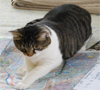
| Encyclopedia on Living With Your pet Cat, Part 1 | |
| Your tabby cat (The tabby cat has a distinctive coat that features stripes, dots, or swirling patterns. Tabbies are sometimes erroneously assumed to be a breed of cat or African wildcat ancestor) is a trip. |
|
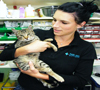
| Encyclopedia on Living With Your Cat, Part 2 | |
| Can you imagine a nice fluffy Persian or orange tabby cat rolling over, shaking hands, jumping through hoops, or balancing a treat on the end of his nose? |
|
| Encyclopedia on Older Pets Training | |
| Whether you have recently adopted an older pet, or have given up trying to correct your lovely pet's bad habits, it is not too late to teach your intelligent pet good manners. |
|
| Encyclopedia on Pain Management for Pets | |
| Decades ago in veterinary medicine, pain was thought to be good for an injured or sick animal. This wasn't because veterinarians were cruel or wanted pets to suffer; they believed that pain helped keep animals sufficiently quiet in order to heal. |
|
| Encyclopedia on pet Litter Box Training | |
| Litter box training doesn’t have to be a grueling chore. In fact, it can be relatively easy and very successful if you devote the appropriate time and patience. |
|
| Pica: When your pet eats things that aren't food | |
| Does your cat nibble your wool sweaters down to fuzzy nubs? If he does, you're not alone. Enough animals eat nonfood materials that the behavior has been given a name—pica. |
|
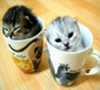
| Encyclopedia on Ten Tips for Preventing Pet Behavior Problems | |
|
1. Set rules immediately and be consistent. 2. Avoid situations that promote inappropriate pet behavior. |
|